Our Mission
To discover and apply scientific information related to food, nutrition, physical activity, and health behavior to optimize public health and well-being.
Our Facilities & Resources
The Department of Nutrition and Health Sciences (NHS) represents the successful integration of the Department of Nutritional Sciences and Dietetics and the Department of Health and Human Performance. By integrating diverse expertise across nutrition, health education, exercise science, and wellness disciplines, NHS offers a comprehensive approach to individual and community health and wellness.
NHS operates across three University of Nebraska locations to serve diverse student populations and research needs throughout the university system:
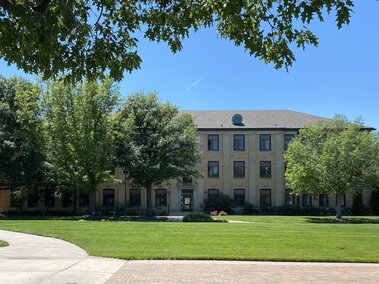
Ruth Leverton Hall
East Campus
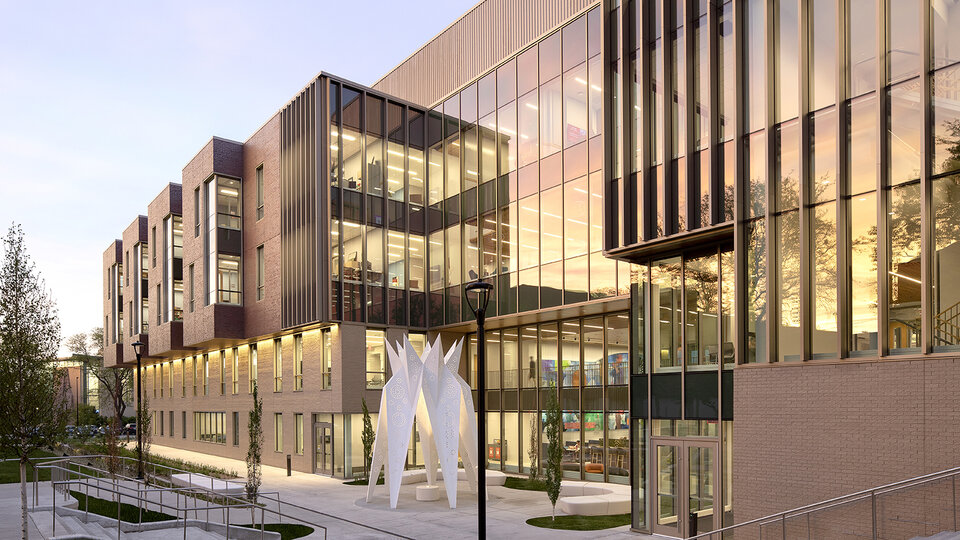
Carolyn Pope Edwards Hall
City Campus
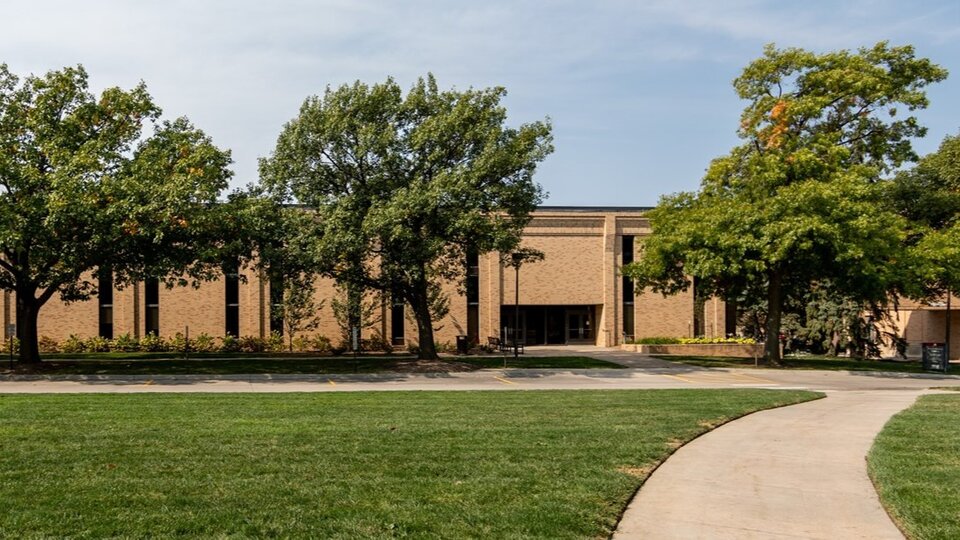
Gwendolyn A. Newkirk Human Sciences Building
East Campus

The Scarlet Hotel
Nebraska Innovation Campus
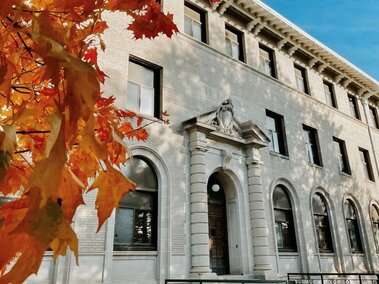
Filley Hall
East Campus
Our History
-
1898
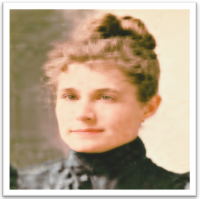
Rosa Bouton (1860-1951) founded the Home Economics Department at the University in 1898. She served as the program's sole instructor with eleven newly enrolled students. Originally devised as a two-year program in Domestic Science, the program quickly expanded under her guidance.
-
1904
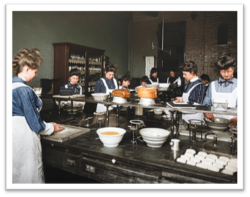
Housed in Mechanic Arts Hall on city campus, Domestic Chemistry courses covered subjects such as food analysis, sanitation, and contaminants in food.
As described at the time by the University Bulletin, the program was developed: "To train the mind and develop character in the kitchen as well as in the laboratory. Special attention is given to the principles of cooking, economical methods of cooking, as well as methods to render food nutrition, palatable, and attractive."
-
1905

The Nebraska Board of Regents elected to construct a new building on the Farm Campus to house laboratories and classrooms needed by the School of Domestic Science. Professor Bouton worked closely with architects Fiske and Dieman to build a specialized facility that included kitchens, living and sleeping rooms, and classrooms.
Originally started as a nutrition course in "domestic chemistry", the program soon became known as the Department of Home Economics and the course of study was expanded to a four-year college degree.
-
1908
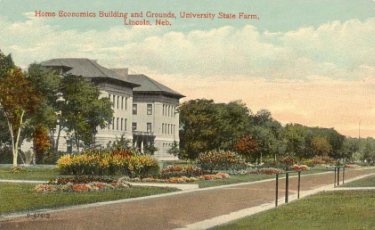
Construction of the new Home Economics Building was completed with classes beginning that summer.
Named "The Women's Building" during planning and construction, the upper levels provided dormitory rooms for up to 40 women and included laboratories and classrooms for Home Economics instruction. The main floor included a public cafeteria, as well as labs and additional instructional space.
Initially planned by Ferdinand Fiske and Rosa Bouton as a slightly more elegant building, many high-cost details were converted to less expensive materials. Specifications for maple floors and oak finishing were converted to pine on the upper floors to keep costs down, and a copper cornice was converted to galvanized steel.
-
1909
Home Economics became it's own department within the College of Agriculture where "...instruction is given for the practical problems of home life. Special attention is given to the artistic, economic, and sociological problems which form a legitimate part of this work". New courses included clothing construction and design, dietetics, home decoration, household administration, and teacher training with practice teaching.
As the department continued to grow, its course offerings expanded to include child development, education, interior decorating, and research programs. Dormitory rooms were also converted to classes, offices and laboratories.
-
1937
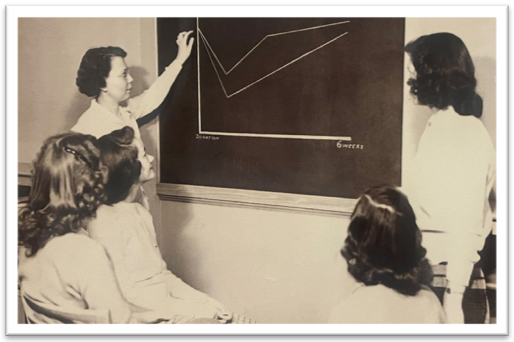
After earning a B.S. in Home Economics from the University of Nebraska in 1928, teaching in Nebraska public schools for two years, completing a a M.S. in Nutrition at the University of Arizona in 1932 -where she excelled in both human and animal nutrition- and earning a Ph.D. in Nutrition from the University of Chicago -where her doctoral research advanced the understanding of women's iron status and nutritional needs- Ruth Leverton returned to the University of Nebraska to serve as an assistant professor in the School of Home Economics and a researcher with the Nebraska Agricultural Experiment Station.
Drawing on her extensive training and research experience, she was charged with establishing human nutrition research at Nebraska; however, limited space confined her work to a small laboratory in the meat science building. Knowing her potential, she worked tirelessly with the university and urged them to construct a dedicated facility to specifically house laboratories which would support vital nutrition and human-subject research. These efforts played a large part in shaping the future of nutrition research on campus.
-
1941
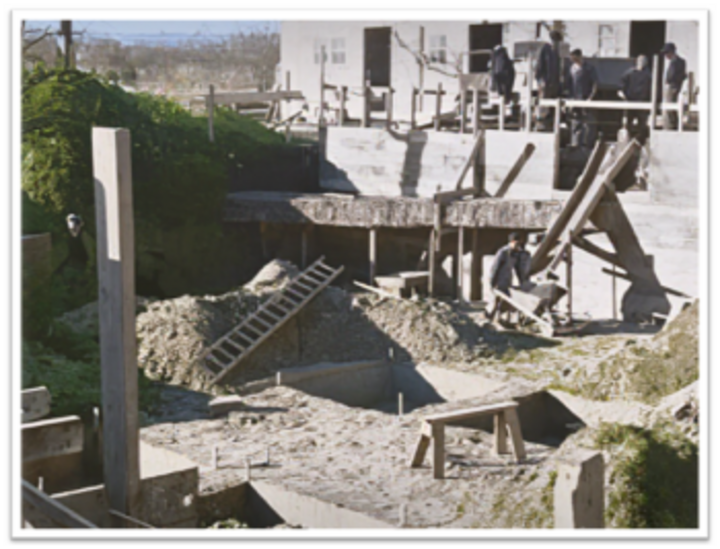
Funding was approved by the Board of Regents for construction of a new food and nutrition building on Ag Campus. Upon appropriating the money, the Legislature stated: "This building was planned to house the cafeteria kitchen, club and private dining rooms, fountain room, and a comfortable lounge together with necessary offices and bathrooms."
Initial stages of excavation began during Thanksgiving break in November with active construction starting in December.
-
1943
The Board of Regents accepted the Food and Nutrition Building as completed on March 12, 1943. Designed to house more than just food and nutrition laboratories, the building included a cafeteria, dining rooms, a kitchen, offices, classrooms, and research facilities. This window, which was set over the main entrance and is still in place today, features the Betty Lamp, a symbol representing the field of Home Economics.

Like other war era buildings on the University's campuses, and with the nation in the midst of World War II, the Food and Nutrition Building was assumed by the government and appropriated for the war effort shortly after it was constructed. It was initially used as dormitory and classrooms for Specialized Training, Assignment, and Reclassification (STARS) members, a special training branch of the U.S. Government which channeled new military recruits to appropriate education situations. The University of Nebraska was one of only three colleges in the United States designated to assess and assign recruits on to any of 220 higher education sites.
Over the course of two years, more than 13,000 men from the United States, as well as other countries of the world, lived in the Food and Nutrition Building before being reassigned to study engineering, foreign languages, personnel psychology, dentistry, and medicine in the U.S. Army's Specialized Training Program (ASTP).
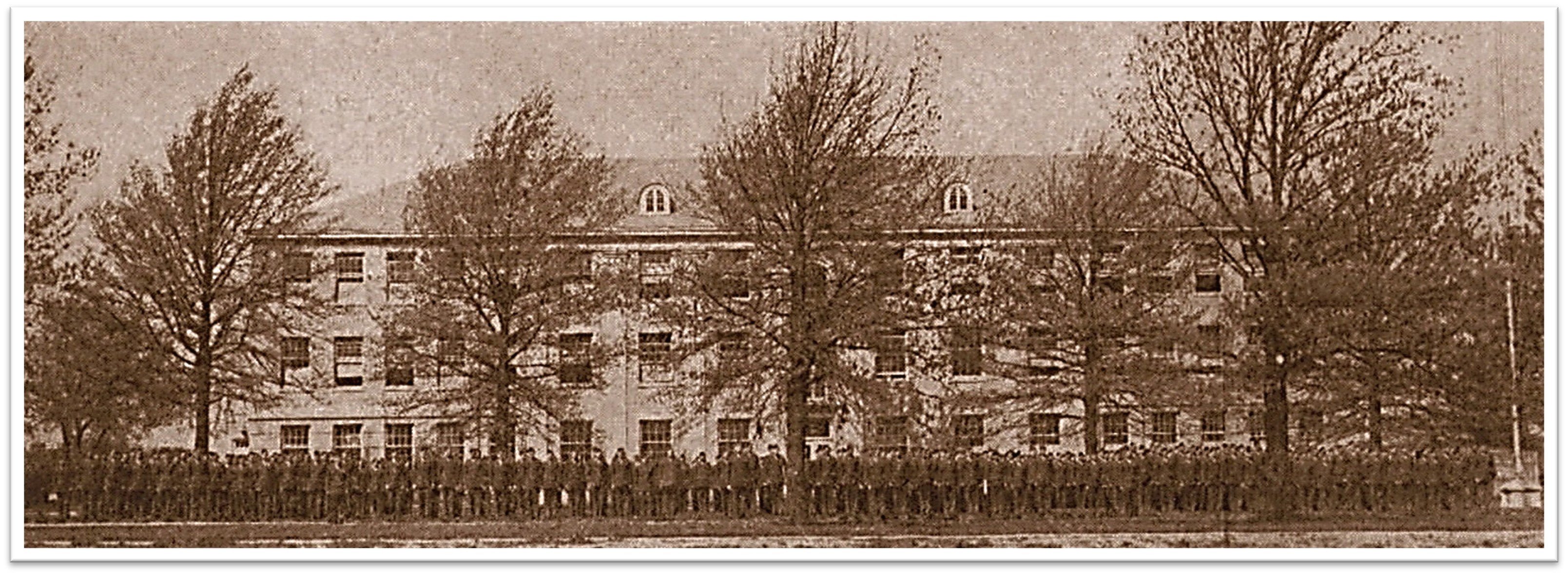
Army recruits in formation outside of the Food and Nutrition Building, 1943
That fall, the Food and Nutrition Building saw its first "civilian personnel" as occupants moved into the third floor. This location served as the new headquarters for Dr. Leverton's research group and staff. -
1945
Chancellor C. S. Boucher and the Board of Regents authorized the furnishing and equipment of a new recreation center in the Food and Nutrition Building, featuring a general lounge and reading room, fountain, meeting and dance spaces, a record room, committee rooms, and check stands; by 1946, the building's cafeteria and food laboratories were fully operational.
-
1947
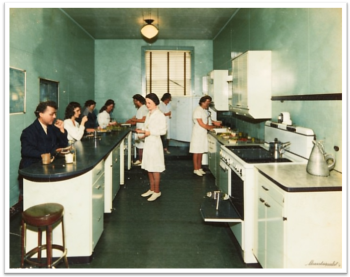
A new foods research kitchen was established in the Food and Nutrition Building featuring a testing bar at which baked products were sampled and judged.
-
1957
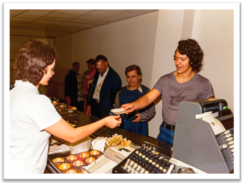
Cafeteria remodeling and reorganization took place at the Food and Nutrition building in order to provide meals for students living in the new residence halls on the College of Agriculture Campus.
-
1973
After 65 years, the original Home Economics Building had fallen into disrepair, suffered significant termite damage, and no longer provided adequate space for academic programs.
With funding approved by the Nebraska Legislature for a new Home Economics building to be constructed on the same site, the original structure was demolished.
-
1974-1976
The Nebraska Legislature appropriated $700,000 to renovate the Food and Nutrition Building. Renovations included the addition of offices, specialized laboratories, and residential facilities to support teaching, research, and Extension programs.
Construction began once the building was vacated in January 1975 and by the fall of 1976, the renovated facility reopened as the home to both the Food and Nutrition faculty and the Department of Human Development and Family.
-
1978
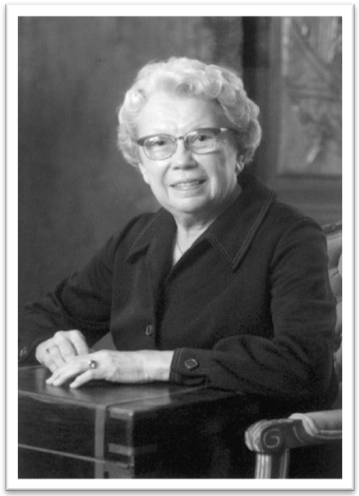
On May 6, 1978, the University of Nebraska renamed the Food and Nutrition Building Ruth Leverton Hall in honor of Dr. Ruth Mandeville Leverton, a University of Nebraska graduate, pioneering nutrition scientist, and former faculty member.
The renaming reflected a collective effort by faculty and staff members who presented a compelling proposal to the University in recognition of Dr. Leverton's outstanding contributions to the field of nutrition science.
Dr. Leverton attended the dedication ceremony in person as part of the University's Alumni Day Program.
-
2010
Ruth Leverton Hall underwent renovations to include updated air handling systems, redesigned building space, and completion of the new Biomedical Research Core (BORC) lab, housed in the lower level.
-
2020
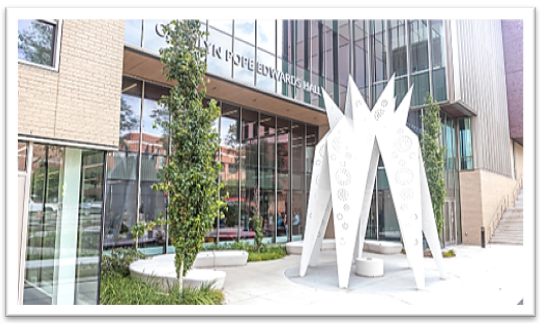
On city campus that spring, the demolition of Mabel Lee Hall cleared the way for a new building which would serve as the new home of the College of Education and Human Sciences. It was planned to feature modern classrooms, collaborative meeting spaces, faculty offices, research laboratories, and a 400-seat auditorium.
In conjunction with the development of this facility, the University of Nebraska Board of Regents approved naming it in honor of Dr. Carolyn Pope Edwards, an 18-year University of Nebraska-Lincoln faculty member who was dedicated to advancing the quality of early childhood education through her research, teaching, and international advocacy. Upon its completion at summer's end in 2022, a dedication and ribbon-cutting ceremony was held on September 29th.

Among the programs that relocated here, Nutrition and Health Sciences' exercise physiology faculty and staff moved over from Neihardt Hall, where the new accommodations provided the Human Performance and Body Composition Lab with additional space to support research in exercise physiology and nutritional science.
-
2025
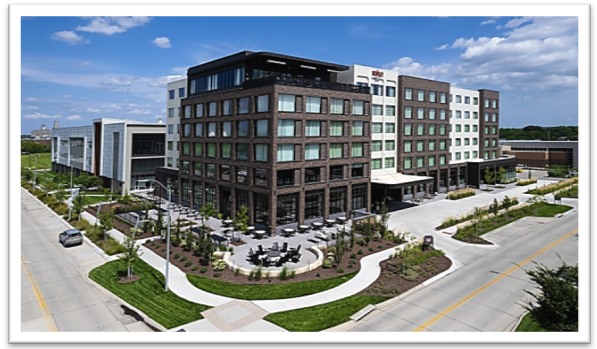
The Hospitality, Restaurant and Tourism Management program (HRTM) relocated to their new academic space at The Scarlet Hotel on Innovation Campus in June. This move provided expanded facilities for the program, featuring new study spaces, classrooms, and office suites, along with a planned commercial teaching kitchen for hands-on education.
Our Curriculum
-
1919
Curriculum at the University of Nebraska was changed to place more emphasis on professional training such as dietetics, institutional management, and teaching. Also included for the first time were courses intended primarily for graduate students.
-
1921
The Division of Food and Nutrition was established.
-
1962
Approval for a dietetics program was received from the American Dietetic Association.
-
1967
Master's degree program approved.
-
1969
Dietetics internship program initiated.
-
1975
After years of pursuing independent existences, the men's and women's physical education departments merge to form a single Department of Physical Education and Recreation.
-
1977
The Nebraska Center for Health Education, previously affiliated with the University Health Center, was added to the department to form a new School of Health, Physical Education, and Recreation.
-
1991
The department is renamed Nutritional Sciences and Dietetics and serves as one of three departments offered within the Human Resources and Family Sciences Program.
-
1993
The School of Health, Physical Education, and Recreation was renamed Department of Health and Human Performance.
-
1997
Community Nutrition and Health Promotion established as a graduate specialization.
-
2003
The Department of Nutritional Sciences and Dietetics and Department of Health and Human Performance are merged and renamed the Department of Nutrition and Health Sciences.
-
2004
The University of Nebraska-Lincoln Athletic Training Program received initial accreditation from the Commission on Accreditation of Allied Health Education Programs (CAAHEP). (In 2006, accreditation was transferred to the newly formed Commission on the Accreditation of Athletic Training Education [CAATE]).
-
2005
Nutrition and Exercise approved as an undergraduate program.
-
2006
Hospitality, Restaurant, and Tourism Management established as an undergraduate program.
-
2017
Community Health and Wellness approved as an undergraduate program.
-
2019
Biochemical and Molecular Nutrition established as a graduate specialization.
-
2020
Hospitality Management established as a graduate specialization.
-
2021
Professional Studies in Dietetics (PSD) established as a graduate specialization.
-
2023
The Master's in Athletic Training degree was established with the program being nationally accredited by the Commission on the Accreditation of Athletic Training Education (CAATE).
Our Research and Achievements
-
2009
National Strength and Conditioning Association (NSCA) designates the Terry J. Housh Young Investigator Award which recognizes up-and-coming researchers in the industry.
-
2014
Launch of the Nebraska Center for Prevention of Obesity Diseases through Dietary Molecules (NPOD) which serves as a Center of Biomedical Research Excellence (COBRE) with support from the nation’s premier health research agency, the National Institute of Health.
NPOD has proven to be a magnet for attracting top-notch researchers from Georgia, Florida, Iowa, Minnesota, and Canada to Nebraska, all sharing the vision to combat obesity through by refining nutrient content in diets.
-
2016
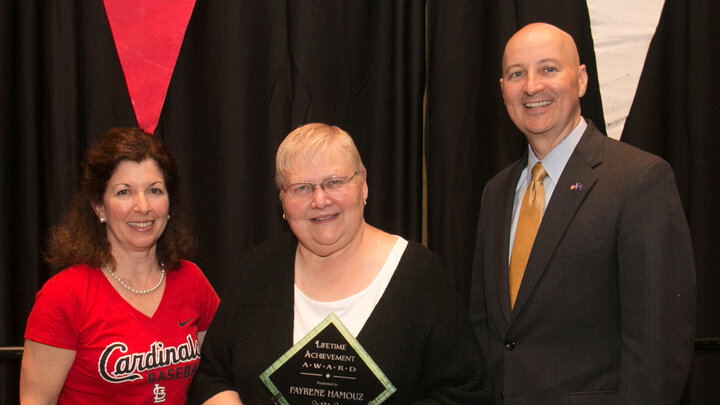
Fayrene Hamouz recognized with Lifetime Achievement Award from the Nebraska Restaurant Association.
View the article online at: https://news.unl.edu/newsrooms/unltoday/article/achievements-honors-awards-publications-for-may-6/ -
2019
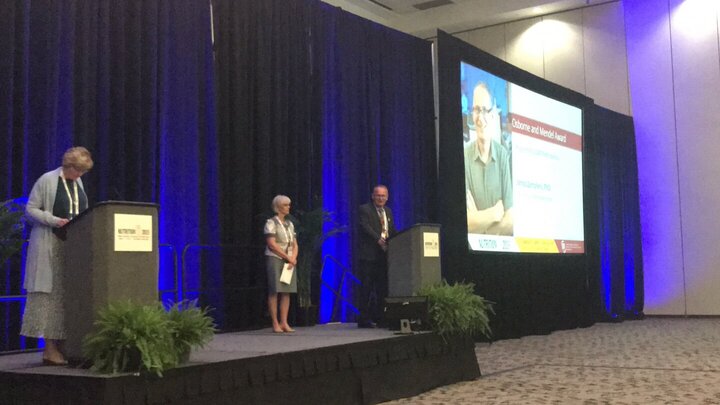
Janos Zempleni is awarded the Osborne and Mendel Award by the American Society for Nutrition (ASN) for seminal discoveries in extracellular vesicles.
-
2020
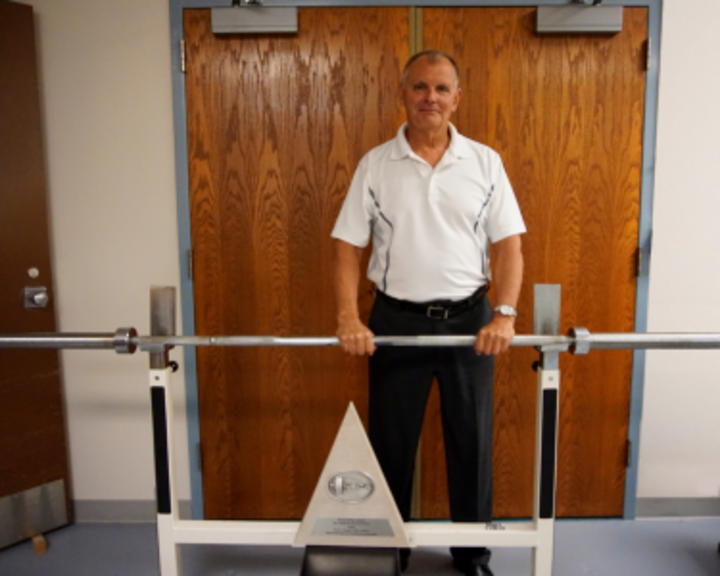
National Strength and Conditioning Association (NSCA) grants Terry Housh the Boyd Epley Award for Lifetime Achievement.
Our Department Chairs
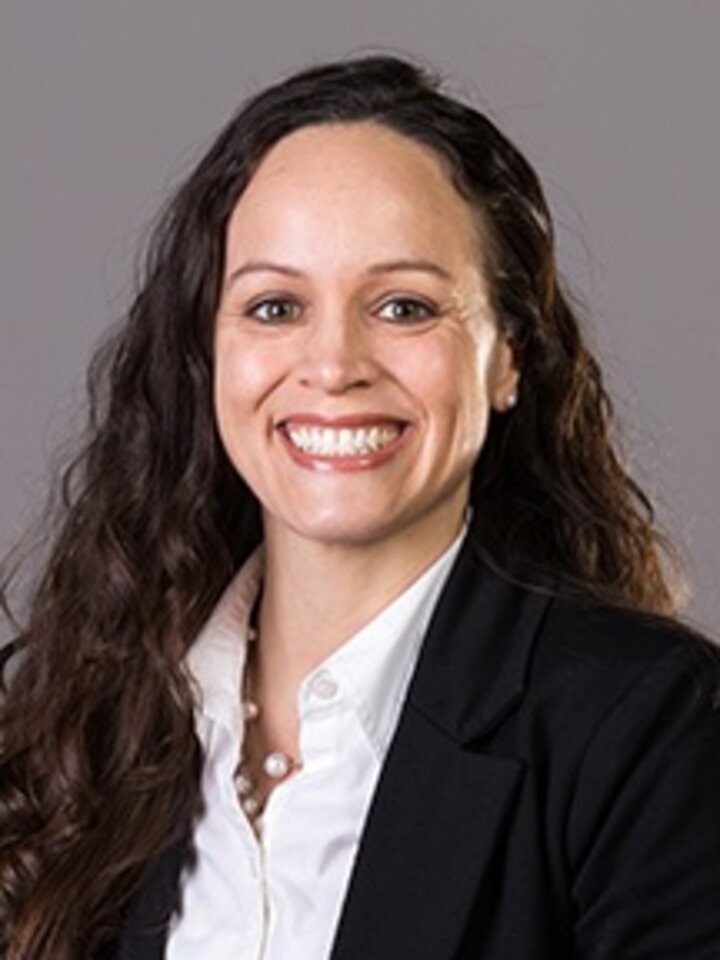
2024-
Heather Rasmussen
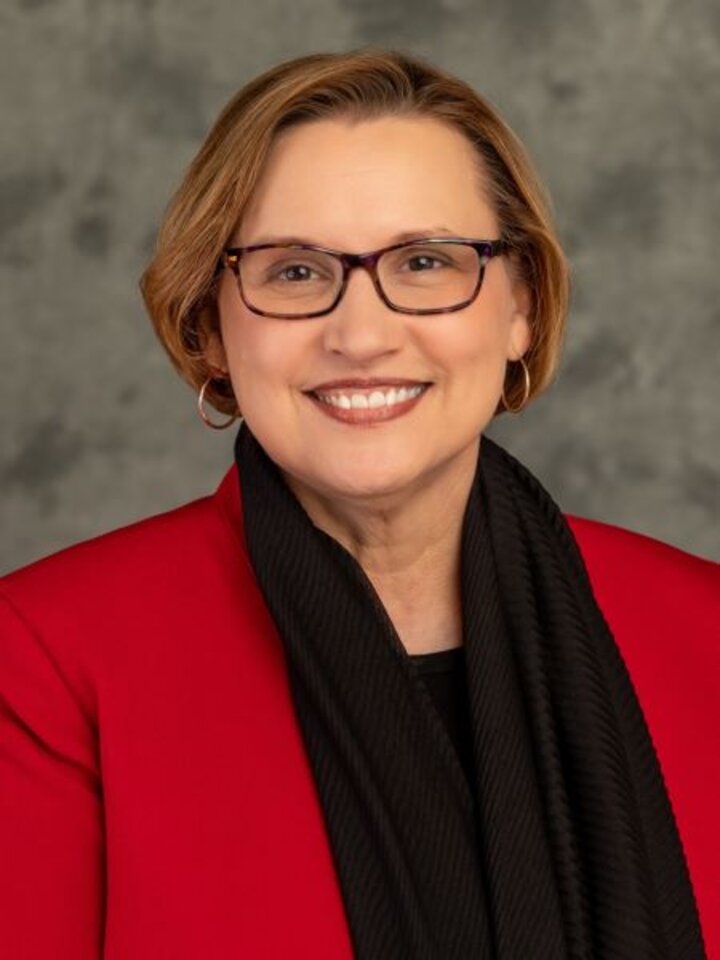
2018-2023
Mary Ann Johnson
2017-2018
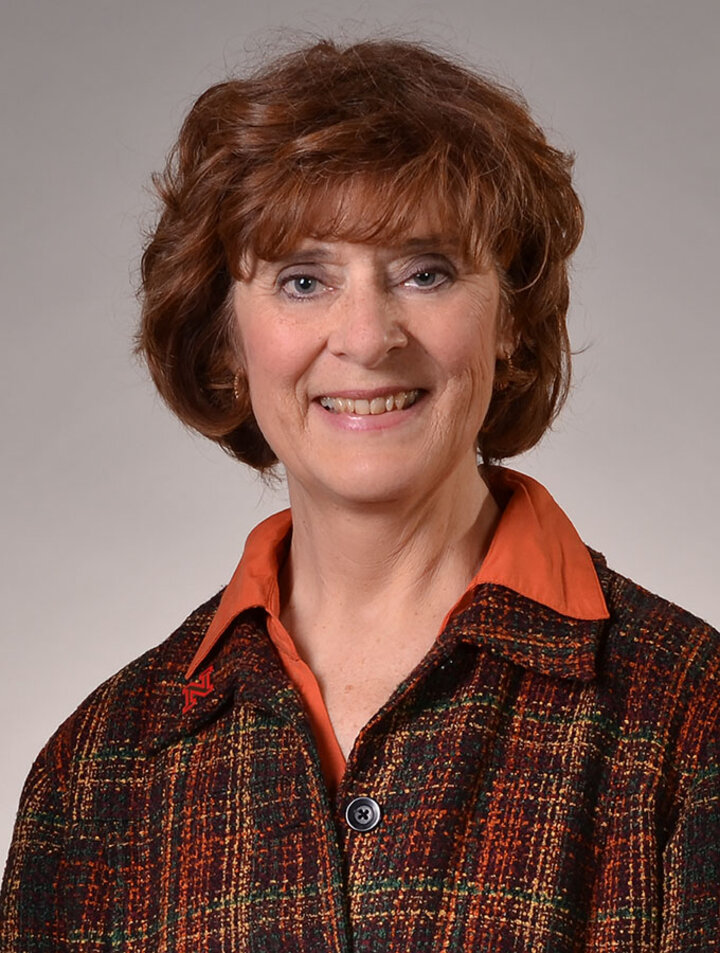
Linda Boeckner

2011-2017
Tim Carr
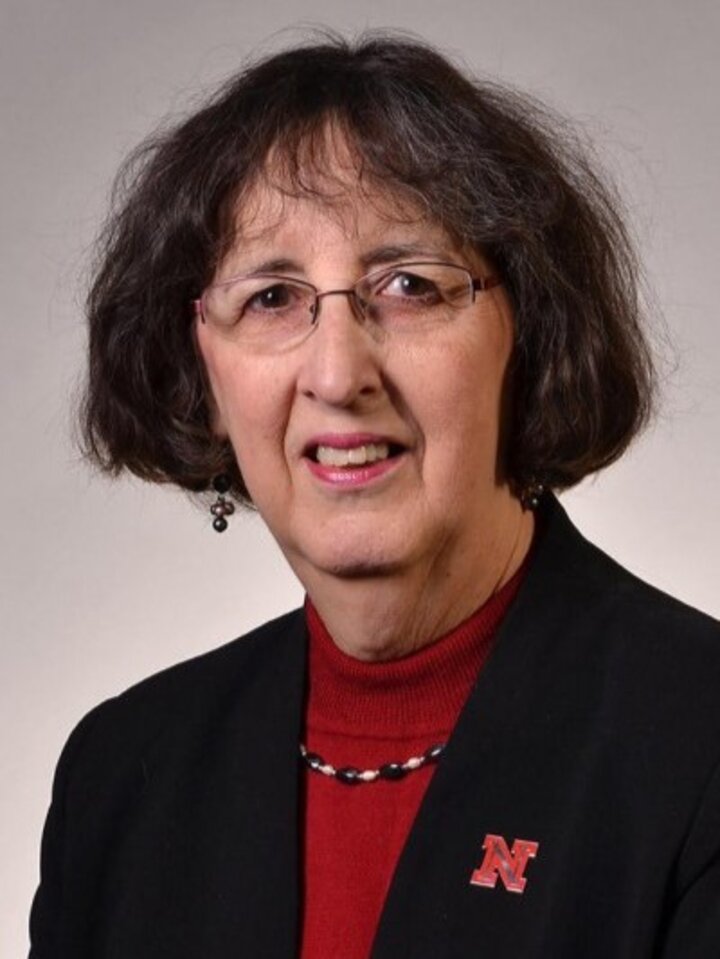
1991-2011
Marilynn Schnepf