
The Wellness Assessment Laboratory, directed by Dr. Shinya Takahashi, is a research and educational laboratory located in Ruth Leverton Hall on the University of Nebraska-Lincoln's East Campus. Here, students gain invaluable practical experience through hands-on training in fitness evaluation, health assessment protocols, and data collection methods.
Equipped with advanced diagnostic and measurement tools that enable comprehensive analysis of human physiological responses to exercise, the lab's featured tools and equipment include:
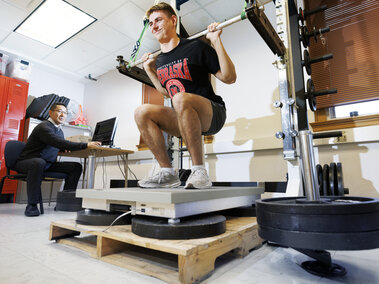
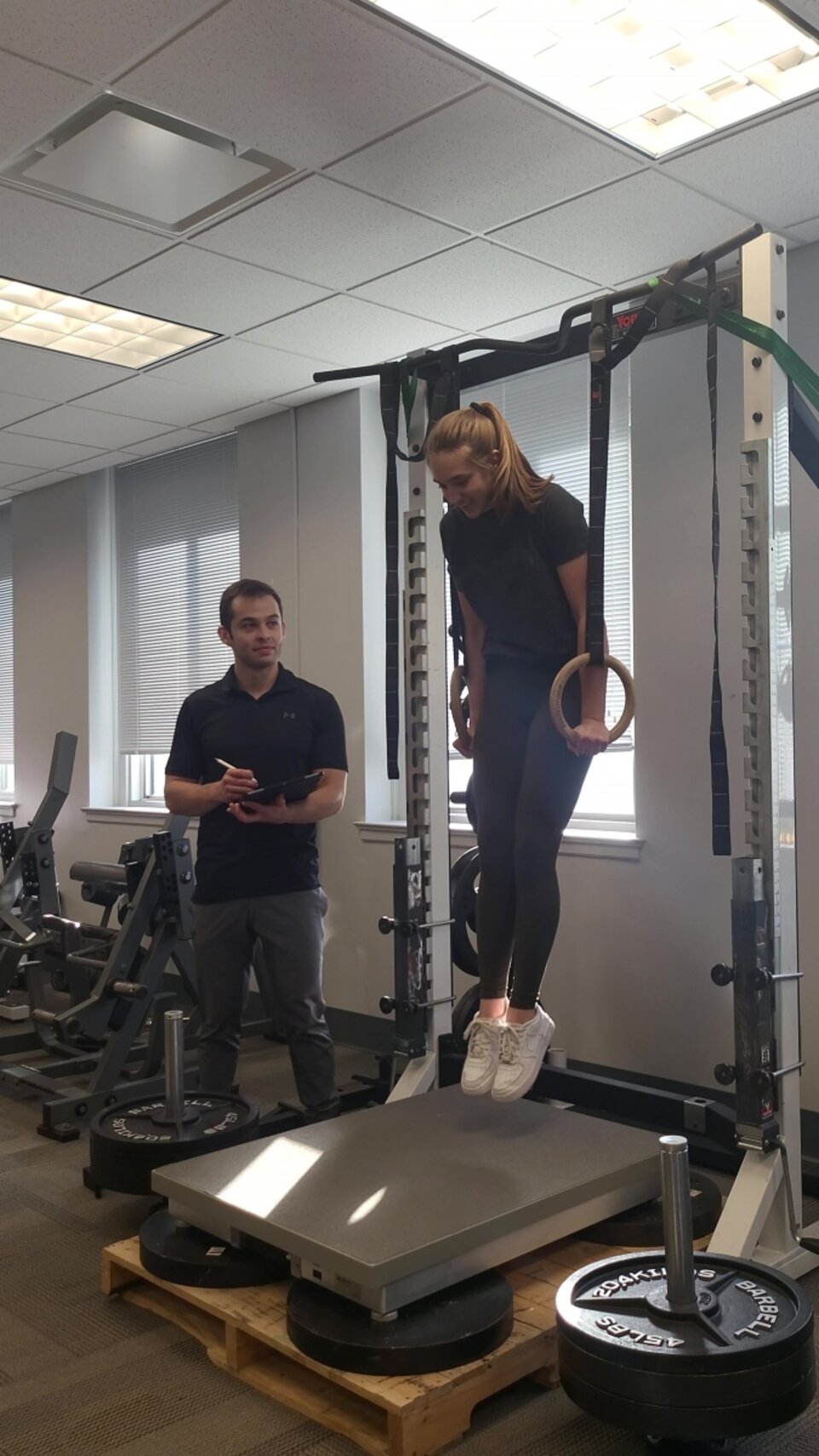
- Portable force plate
- Bioelectrical impedance (BIA machine)
- Anthropometric devices
- Reflectance photometry blood analysis machine
- Tri-axial accelerometers
- Treadmill
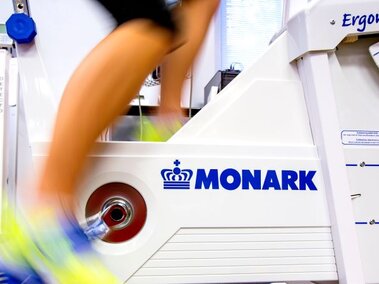
- Cycle Ergometer
- Free weights
- Power rack
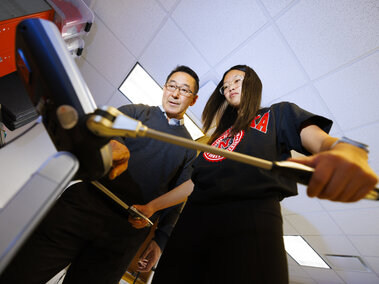
Primarily utilized for educational purposes, the lab provides students with real-world experience in understanding how the human body adapts and responds to physical exercise through fitness testing and human performance assessment.
Research
Analysis of Dietary Intake, Body Composition, Blood Chemistry Profile, Physical Fitness, and Physical Activity Trends in College Students
This study examines various aspects of wellness among college students, including dietary practices, physical activity levels, physical fitness, blood chemistry, and body composition. The following measurements were collected during the study:
- anthropometric (i.e., height, body mass, hip and waist girths)
- body composition
- blood pressure
- resting heart rate
- physical fitness level
- physical activity level
- dietary practice
- blood chemistry data
By analyzing the aggregated data, researchers aim to establish a baseline understanding of college students' overall health and wellness. The findings will also help determine the need for targeted wellness intervention programs on college campuses.
Correlations Between Dynamic One Repetition Maximum Squat and Maximum Voluntary Isometric Squat in Recreationally Trained College-aged Individuals
This study explores the relationships between dynamic one repetition maximum (1RM) squat exercise (the maximum amount of weight that an individual can lift only one time) and 4 different knee angles of maximum static squat exercise (the maximum effort to push against an immovable weight training bar) in recreationally trained, college-aged individuals.
The findings from this research provide insights into the force development characteristics of dynamic and static squat exercises. Additionally, this data may help identify appropriate resistance levels for individuals starting the squat exercise. These levels can be estimated using forces measured during the static squat exercise, eliminating the need for the time-consuming process of measuring an individual's 1RM.
Lab Members

Shinya Takahashi
Professor of Practice and NHS Associate Department Chair
stakahashi3@unl.edu
Bio
Former Lab Members
Sadio Fenner
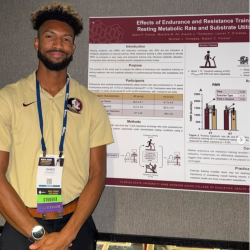
Sadio served as a teaching assistant in the Wellness Assessment Lab while completing his BS in Education and Human Sciences and MS in Nutrition and Health Sciences at the University of Nebraska-Lincoln. A former Division I cross-country and track athlete and active DEI leader, he is now pursuing a Ph.D. in Exercise Physiology at Florida State University, where he also works as a Graduate Research and Teaching Assistant. He continues to compete as an elite trail and mountain runner, representing Côte d’Ivoire internationally.

| 
| 
|
Carlos Guzman
May 2023 graduate from the University of Nebraska-Lincoln with an MS in Nutrition and Exercise Science.

|
Emma Worley
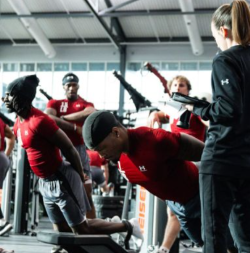
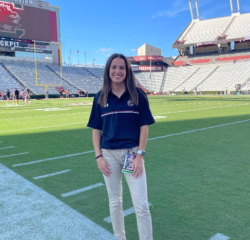
Emma earned her MS in Nutrition and Exercise from the University of Nebraska–Lincoln in 2022 and went on to pursue her Ph.D. in Exercise Science while serving as a football sports science graduate assistant at the University of South Carolina. She completed her doctorate in 2026 and now works as an Assistant Sports Scientist with the Miami Dolphins.

| 
| 
|
In the News
Learn more about each story by following the links below: